
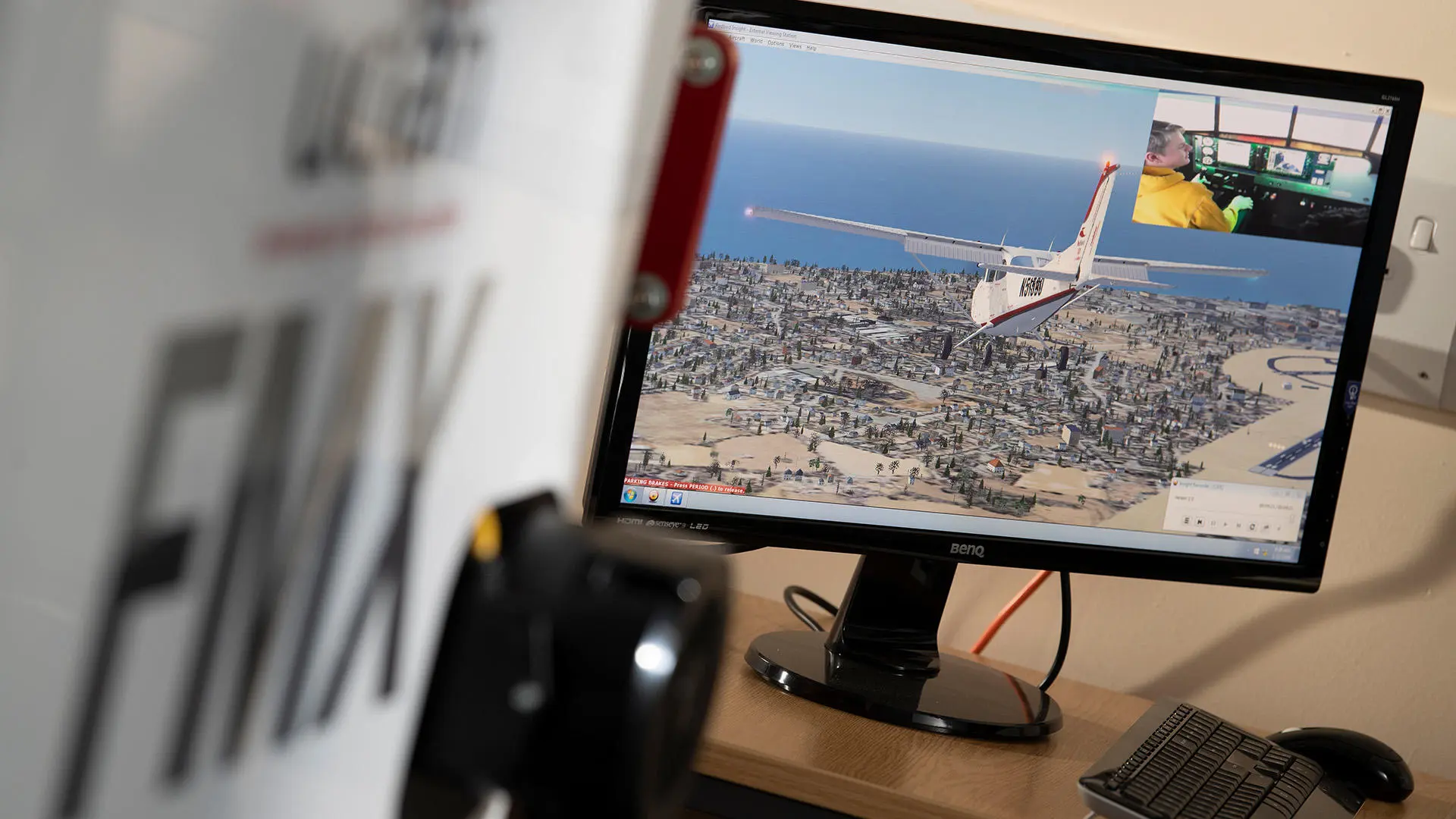
Our Aerospace Engineering and Pilot Studies Foundation Year will give you a solid understanding of engineering principles. This will prepare you for the rest of your degree, where you'll combine the practical and theoretical aspects of flying with aerospace engineering.
Why study with us
- 1stin the Northwest for Student Satisfaction (out of 4)Complete University Guide (Aeronautical & Aerospace Engineering)
2026
- Our course covers a breadth of engineering topics, including design, analysis and mathematics.
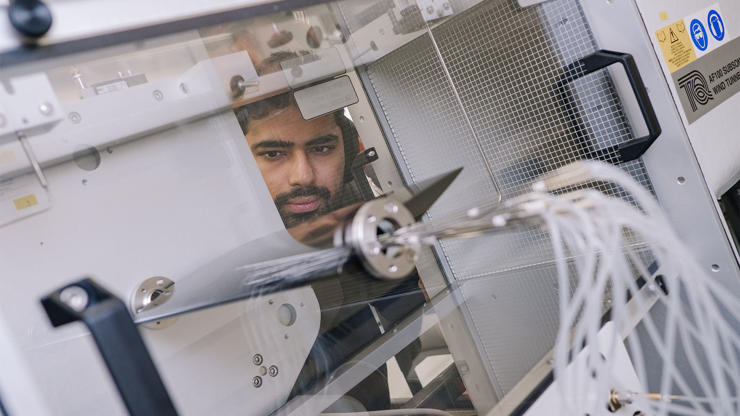
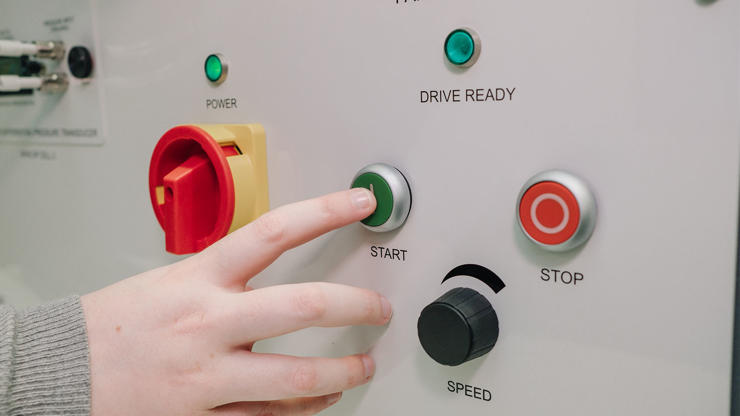
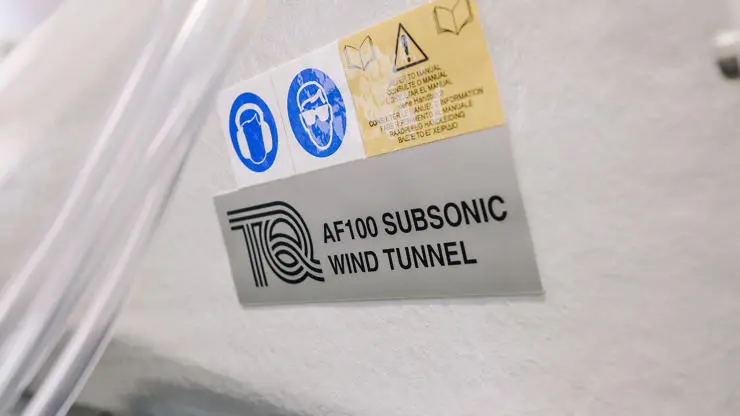
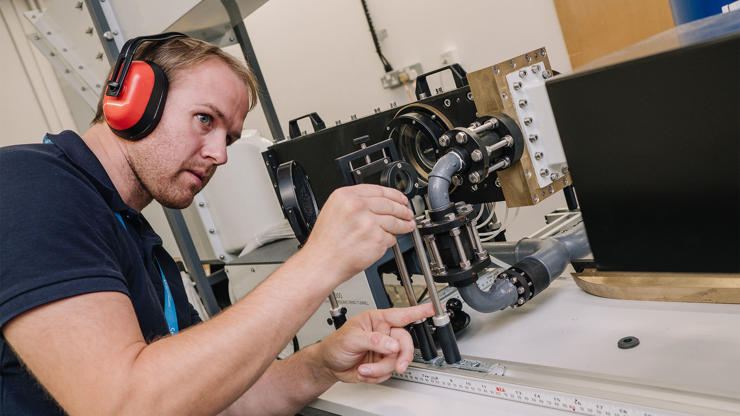
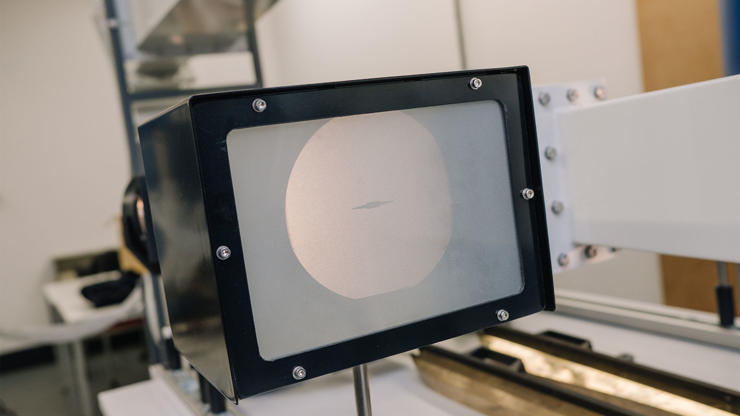
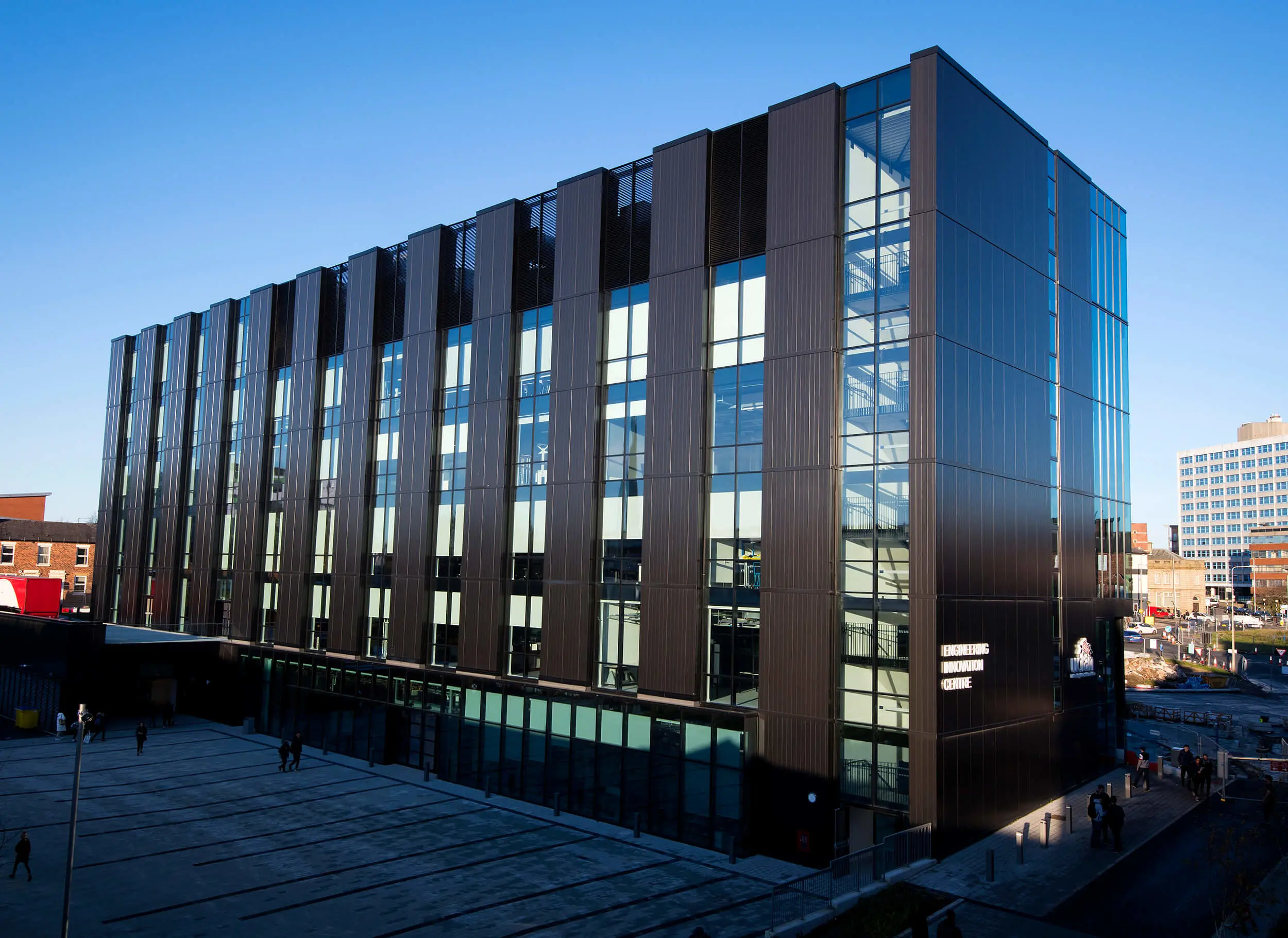
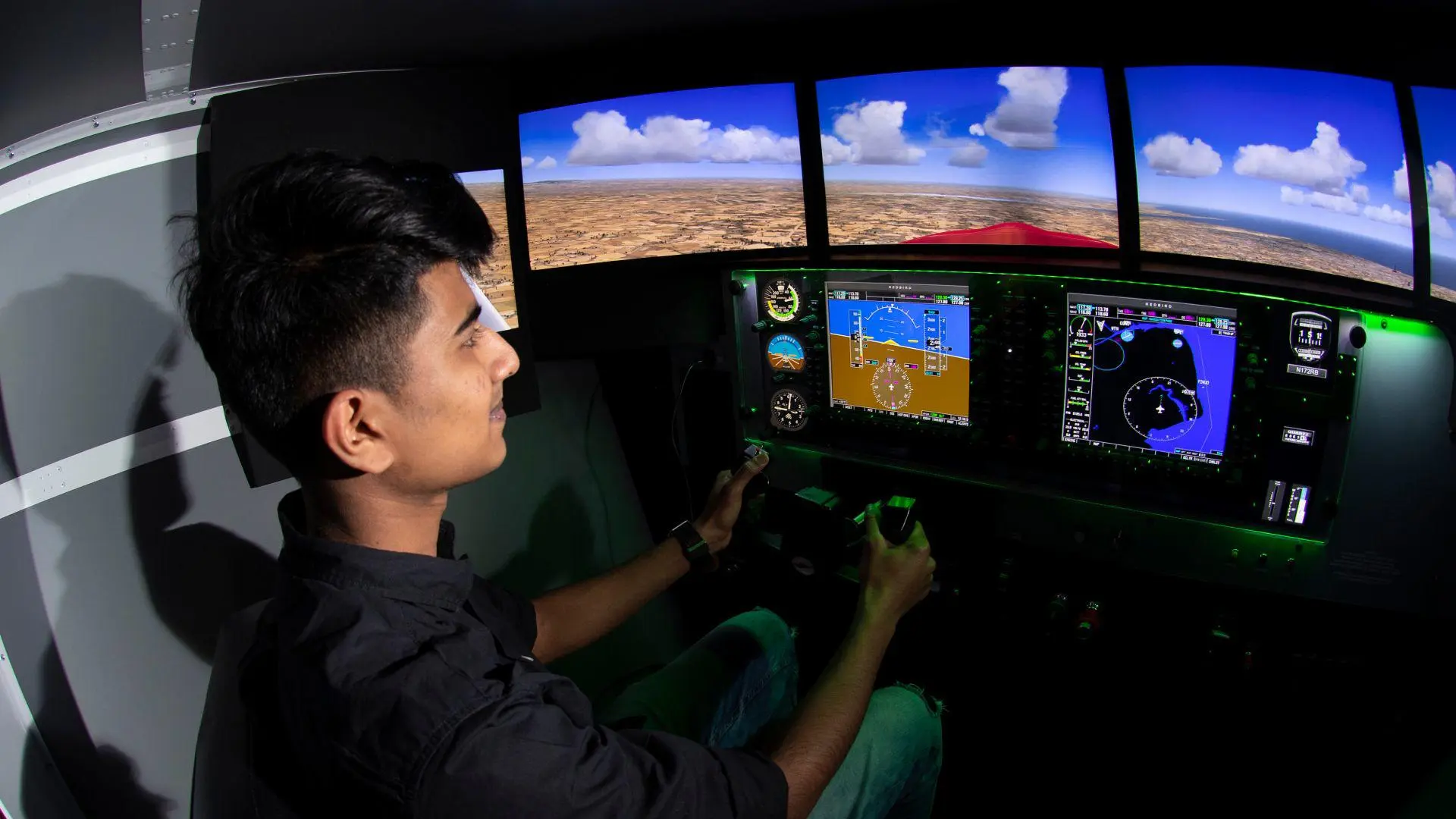
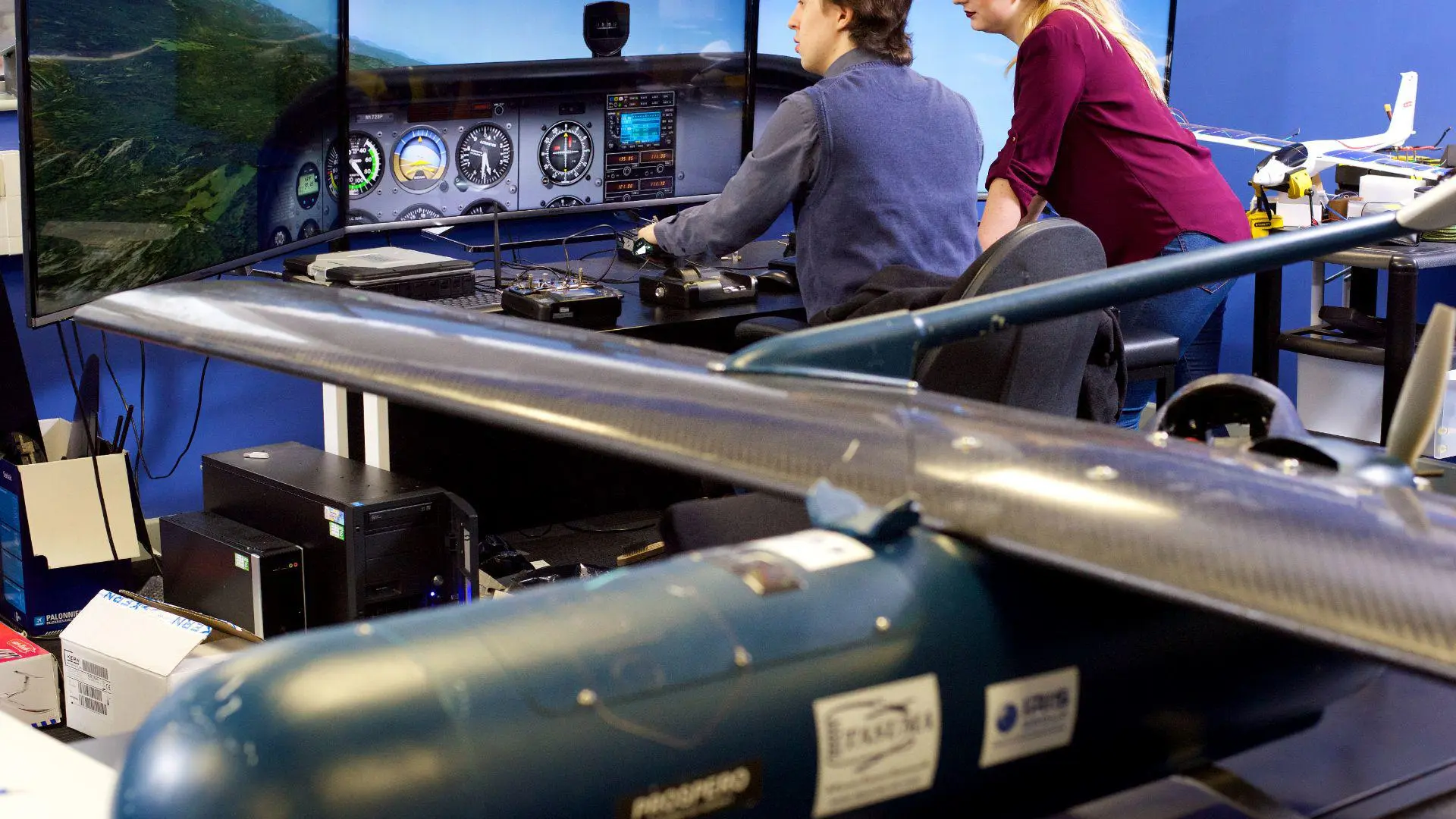
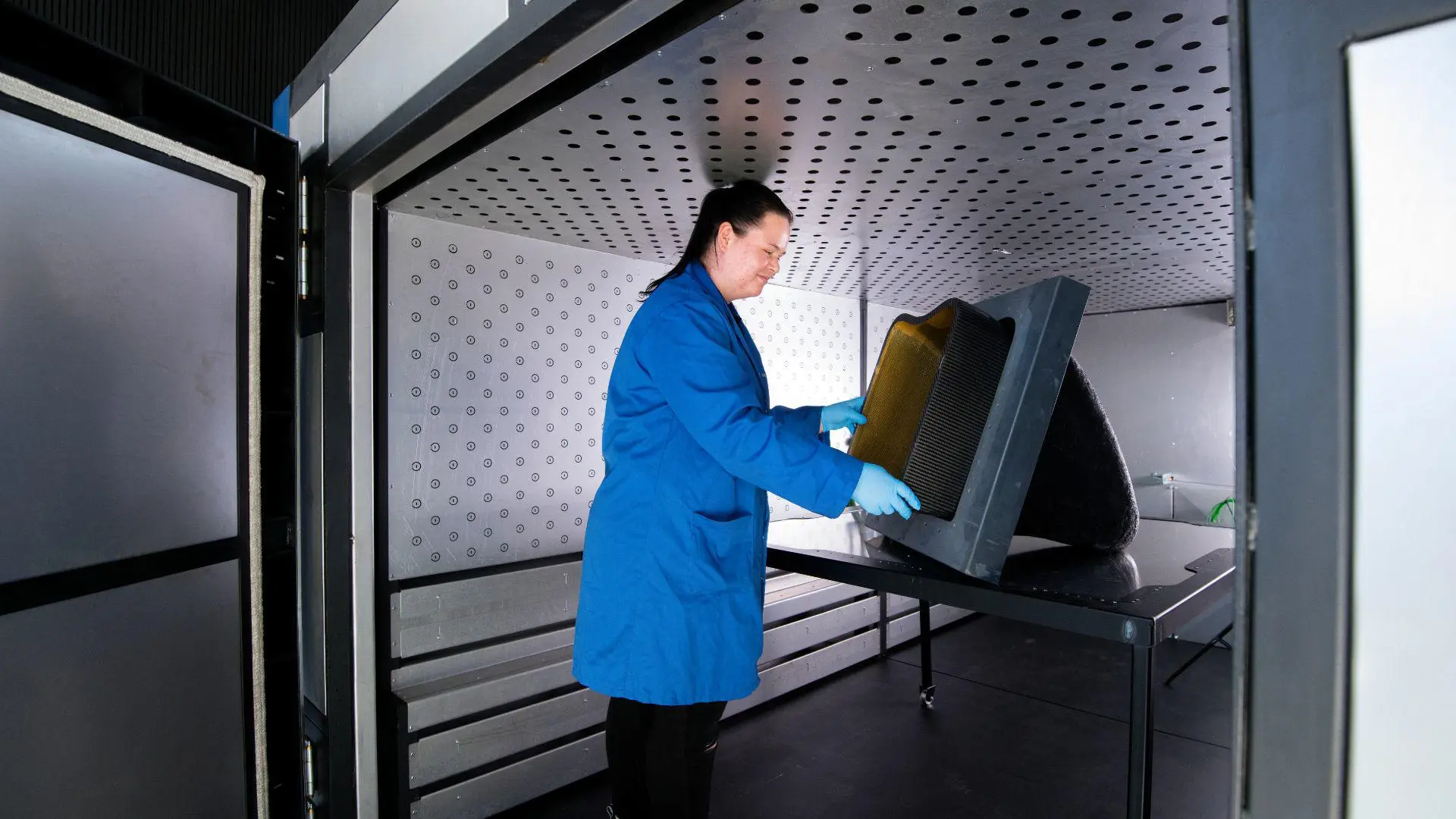
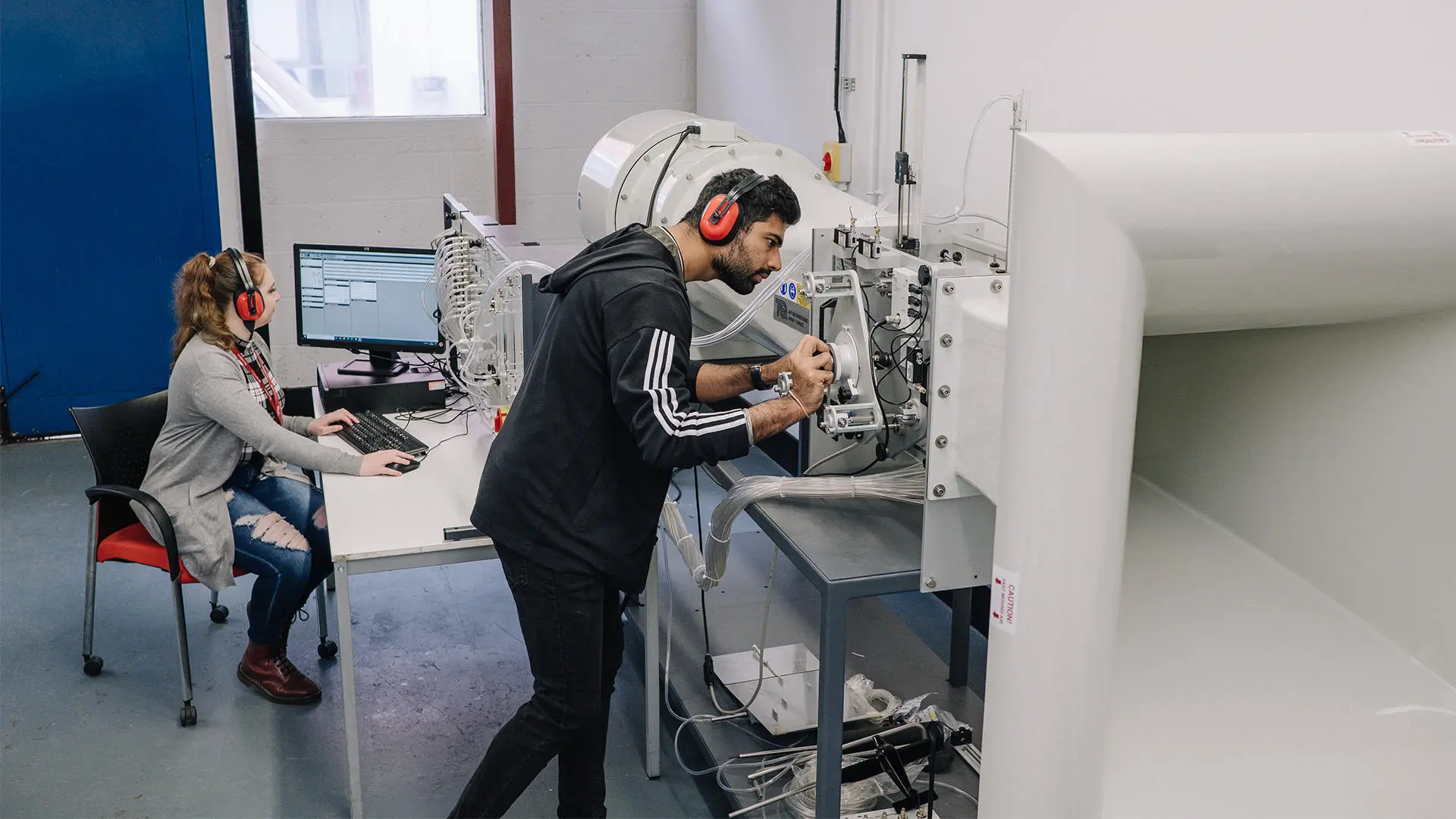
- You'll have access to our world-class engineering facilities, gaining practical skills alongside your studies.
- Once you've completed your foundation year, you can progress onto our Aerospace Engineering with Pilot Studies BEng (Hons).
What you'll do
- Learn more about engineering, preparing you to progress onto your degree.
- Gain practical skills in engineering design, as you get hands-on experience with design software.
- Once you've progressed onto your degree, you'll undertake Private Pilot License theoretical studies.
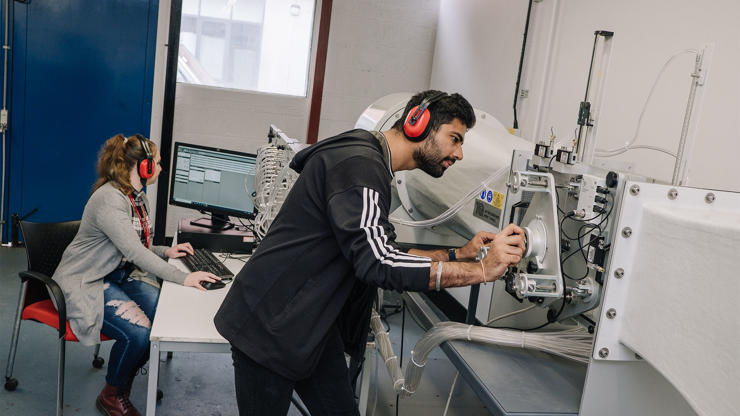
I completed a foundation year at the University of Lancashire because I was very interested in the modules covered. I got to cover the basics of maths and science, but also learned how to use different engineering software like AutoCAD and MATLAB.


Modules
Every effort has been made to ensure the accuracy of our published course information. However, our programmes are subject to ongoing review and development. Changing circumstances may cause alteration to, or the cancellation of, courses. Changes may be necessary to comply with the requirements of accrediting bodies or revisions to subject benchmarks statements. We may also make changes to keep courses updated and contemporary, or as a result of student feedback. We reserve the right to make variations if we consider such action to be necessary or in the best interests of students.






Academics




Future careers
Aerospace engineering graduates go on to roles in the aerospace, space, defence, automotive, biotechnology, computing, electronics, energy and manufacturing sectors.

Entry requirements
We will consider your educational achievements, predicted grades, work experience and personal statement. If you don't meet the grades for your chosen course, we will consider you for other programmes.
We know that many factors can influence the grades you achieve in school or college. If your life experience has affected your academic studies, we can take this into account. Use the UCAS Points Calculator below to check whether you are eligible.
Unsure if you meet our entry requirements?
Contact our friendly Course Enquiries team to talk through your options.
Minimum qualifications:
- 64 points at A2
- BTEC Extended Diploma: MPP
- BTEC Diploma: MM
- Pass Access Course: 64 points
- International Baccalaureate Diploma: Pass including 64 points from Higher Level subjects.
- T Level: P (D or E)
- IELTS: grade 6.0 with no component lower than 5.5
- GCSEs: 5 at Grade C /4 including Maths and English or equivalent
Use our UCAS points calculator
Discover how many UCAS points your qualifications are worth
Fees and funding
Scholarships and bursaries
We offer many scholarships, bursaries and funds to support you during your studies. Select your country or region to see if you are eligible and how to apply.
Care Leaver Bursary
Our Care Leaver Bursary is for students who need extra support because they have been in care or are estranged from their parents.
Find out more about Care Leaver BursaryEstranged student support
Estranged Student Support Bursary is for students who need extra support because they are estranged from their parents.
Find out more about Estranged student supportDependants Bursary
Students with financially dependent children may be eligible for our Dependants Bursary as part of our financial support package.
Find out more about Dependants BursaryFinancial support package
If you are from a low income household our financial support package may be able to help.
Find out more about Financial support package
This course is delivered by the School of Engineering and Computing
For information on possible changes to course information, see our essential and important course information
You can find regulations and policies relating to student life at the University of Lancashire on our student contract page