The University of Lancashire will be leading the research with £23,000 in funding from the Rosemere Cancer Foundation, and samples provided by the Lancashire Teaching Hospitals NHS Foundation Trust Genitourinary Bank.
Current diagnostic methods for womb cancer, such as transvaginal ultrasound and hysteroscopy, are often uncomfortable, expensive and resource intensive. The new testing approach could significantly streamline the diagnostic pathway of womb cancer and improve patient experience.
Womb cancer is currently the most common gynaecological cancer in the UK, and the fourth most common cancer affecting British women with approximately 9,800 new cases diagnosed annually. And with over 1,300 women attending the Royal Preston Hospital’s post-menopausal bleeding clinic a year, the research has potential to significantly improve the diagnostics of womb cancer in the North West so cases can be caught earlier and treated more quickly.
Womb cancer affects thousands of women every year, and we know that faster diagnoses can save lives– Philip Houldsworth - University of Lancashire Research Lead
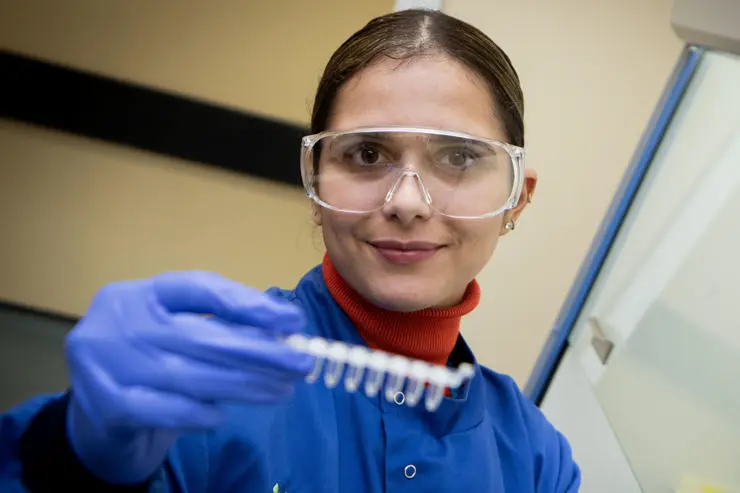
Researchers Philip Houldsworth, Mariana Moreira and Professor Ihtesham Ur Rehman from the University of Lancashire are collaborating with Royal Preston Hospital gynaecological oncologist Dr Gemma Owens, who is leading on the project.
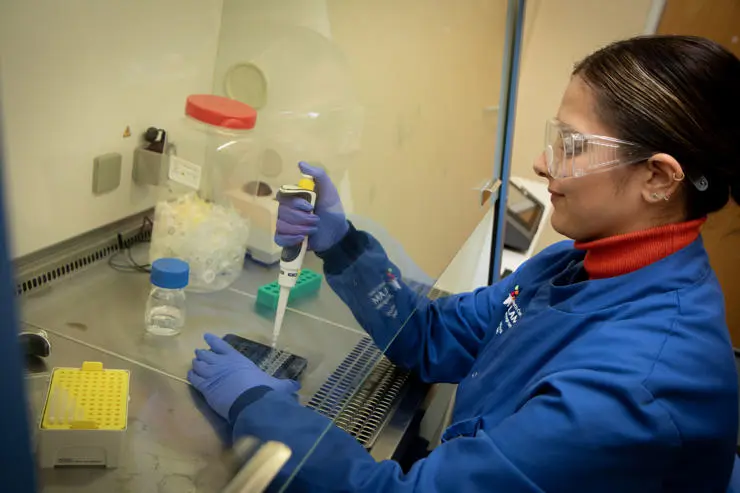
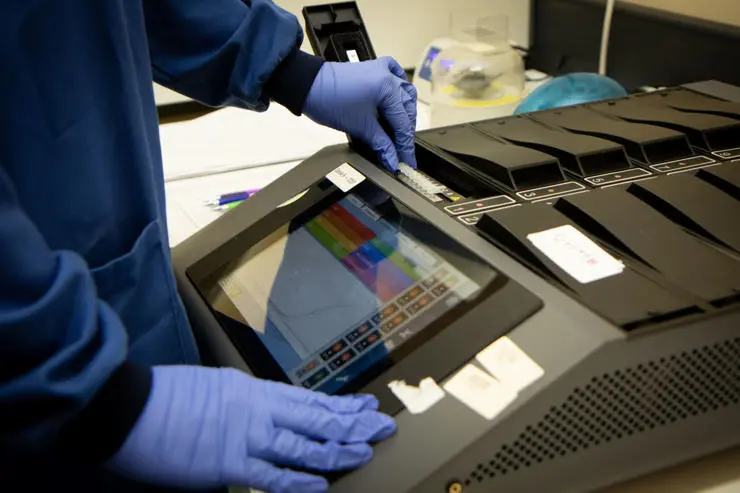
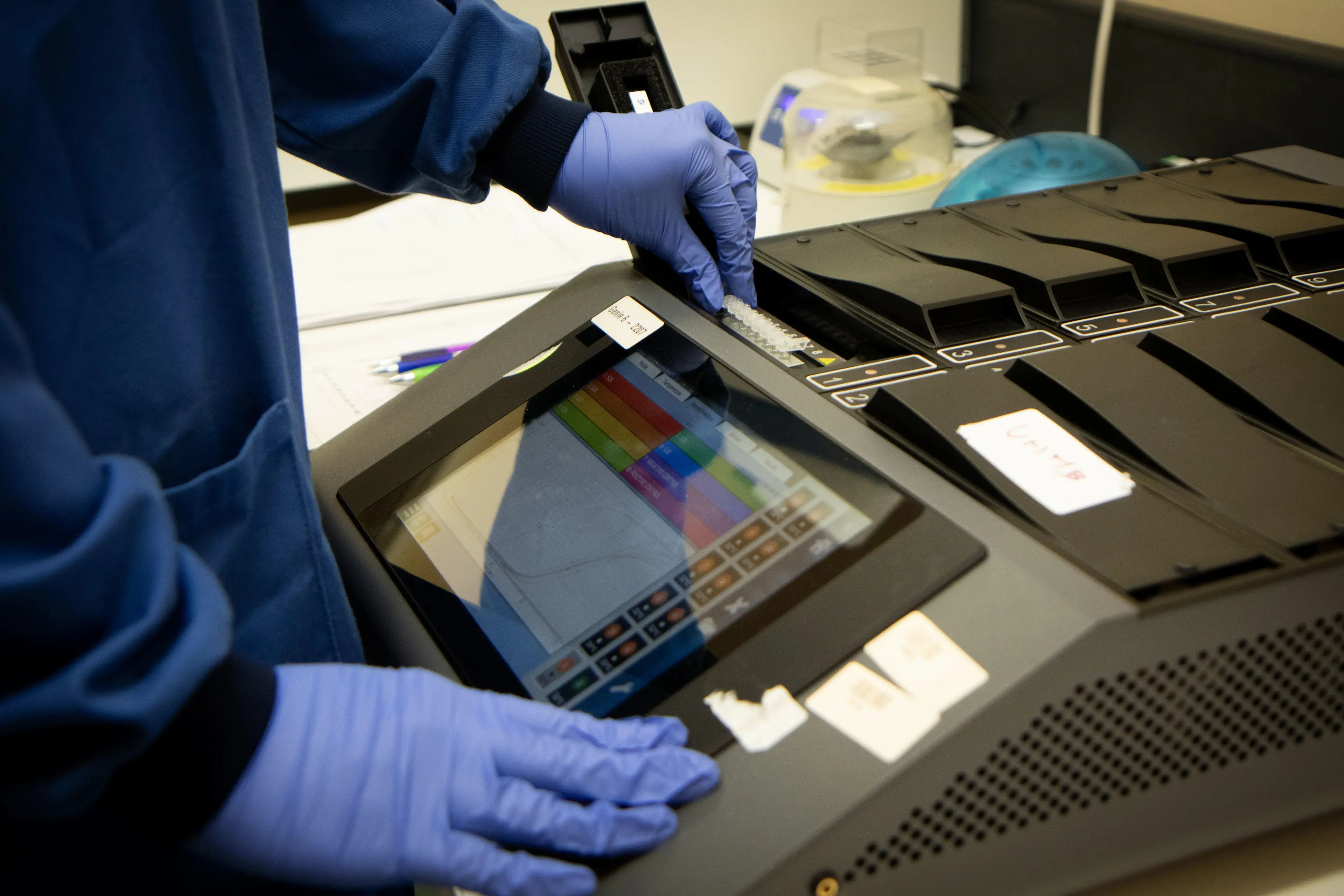
Central to the project is the evaluation of a LAMP (loop-mediated isothermal amplification) based test, which can detect cancer-derived DNA circulating in blood. LAMP has the potential to generate rapid results without complex laboratory infrastructure, making it a strong candidate for early cancer detection and future screening applications closer to the patient.
To support the work, University of Lancashire researchers are analysing blood and urine samples stored in the Lancashire Teaching Hospitals NHS Foundation Trust Genitourinary Bank. The team currently has access to 20 samples of women with diagnosed womb cancer and 20 control samples from women without the diagnosis, which will enable them to assess whether LAMP can reliably detect ctDNA from womb cancer.
LAMP has the potential to enable liquid biopsy – a urine or blood test for womb cancer – to overcome many of the limitations of the current biopsy-based approach– Dr Gemma Owens of Rosemere
Philip Houldsworth, from the University of Lancashire commented: “Womb cancer affects thousands of women every year, and we know that faster diagnoses can save lives. This partnership with Rosemere and Lancashire Teaching Hospitals allows us to push forward testing that is quicker, and more comfortable and affordable. The funding and support give a major boost to the application of LAMP technology we’re advancing at the University of Lancashire.”
Dr Gemma Owens at Rosemere added: “LAMP has the potential to enable liquid biopsy – a urine or blood test for womb cancer – to overcome many of the limitations of the current biopsy-based approach. As LAMP is inexpensive and simple to perform, it could make significant cost savings for the NHS and speed up the diagnostic pathway for women with womb cancer.
“In the future, LAMP could also be utilised to assess the effectiveness of fertility-sparing treatment in young women with early-stage womb cancer, as a potential screening test in women at high risk of developing womb cancer and to monitor for recurrent womb cancer.”